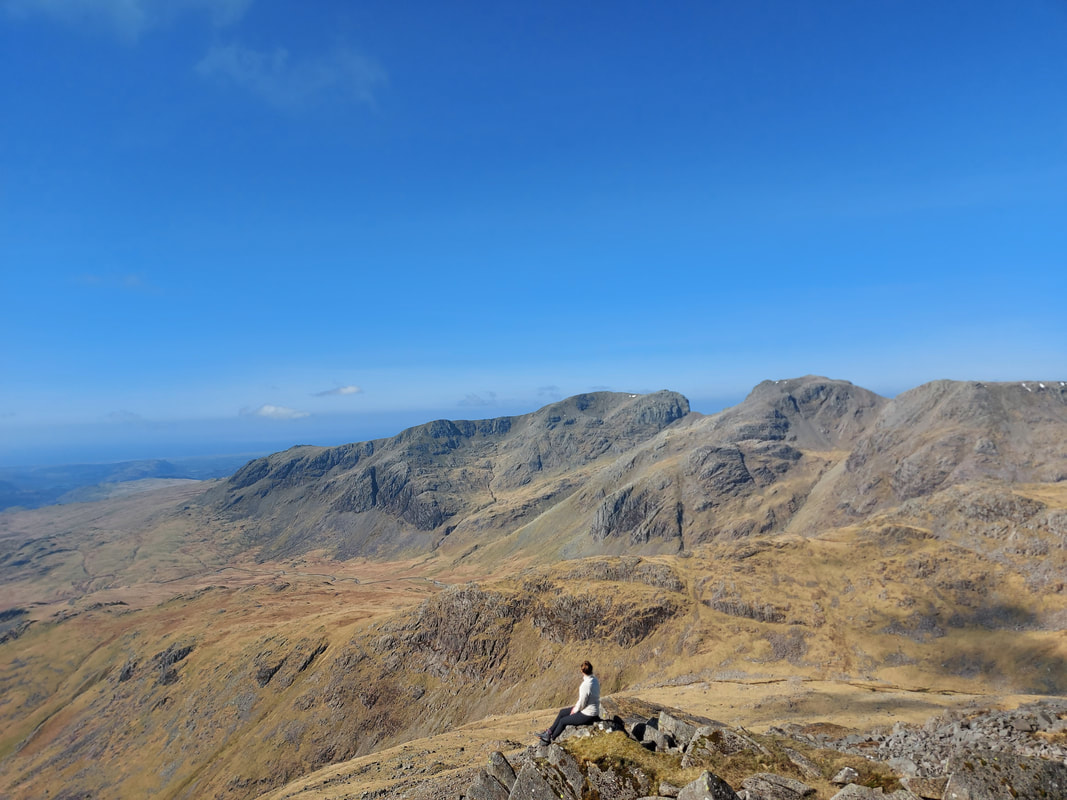
It’s not hard to deny that the mountains are beautiful. They are peaceful, inspiring and a place to let all your worries leave you. A place where you can feel free.
In the age of social media where outdoor enthusiasts are sharing an ever increasing number of mountains to hike and routes to follow, it’s tempting to follow blindly. The internet, social media, TV programmes and films have opened many new eyes to the mountains and all they have to offer.
BUT
They are also a place of unforgiveness.
Of challenges that never go away and of relentless danger.
Places that demand (and deserve) respect.
What these posts and videos don’t always show is the planning behind the scenes to be fully prepared for any eventuality. Engaging in activities in mountains comes with serious risk if you don’t know what you’re doing and if you are not prepared.
So, how do you stay safe in the mountains?
Staying Safe in the Mountains tip #1 – Know your route and any escape routes
- What is your current level of experience?
- How far do you think you can comfortably walk, uphill, with a bag on your back?
- Do you think it’s going to be easy just because there is a path?
- What are you going to do if it gets too hard and you need to leave the mountain?
If you are aware of the answers to these questions, you’ve got a good starting point.
When choosing a hike you want to do the first thing to do is read about it. Look in books and on websites (people’s hiking blogs are a great place to read about the routes) and watch YouTube videos to get a sense of what the route is like.
Next up, get out the maps and make sure you know where the route goes, what elevation you will be expecting to make and how long it should take based on your walking speed. When looking at the route, see if there are any other ways off the mountain incase of any sudden changes in plans. Be aware of any difficult sections along the way and what to expect.
If you can’t read a map then I recommend booking on a navigation course. You don’t need to know everything and you’ll surprise yourself how quickly you can learn how to read a map.
You can also use navigation apps like the one by Ordnance Survey where you can plan your route and download it to your phone for offline use. This makes the map really easy to follow and see where you are.
Staying Safe in the Mountains Tip #2 – Does someone know where you are and when you expect to be back?
This one’s pretty straight-forward. Make sure somebody knows where you’re going, the route you’re taking, how long it should take you and what time you expect to be finished. Let them know when you have returned from your hike.
Staying Safe in the Mountains Tip #3 – Know the weather forecast and how it can change
It’s really important to know the weather forecast for the mountain you are heading to – not for the closest town or city. The weather there will most likely be completely different from the mountains.
Some key points:
- The temperature on mountains can drop by around 2 degrees every 300m gained. It might not be noticeable in summer but in winter, it definitely is!
- Wind speed can severely impact on your ability to hike. Gusts of more than 30mph can start to hinder your balance and walking ability.
- Storms can come in sooner than expected – if it says it might rain at 2pm, expect it at 12 noon.
- If the weather forecast says there’s any change of rain, no matter how small, assume it’s going to rain.
- Be aware of cloud level and how high the mountain is you’re hiking. This will feed into your navigation as if the cloud level is low, you might find yourself walking with minimal visibility for most of the day. Check the visibility given by the weather forecast.
How do you check the weather forecast for a specific mountain?
Met Office mountain forecasts – allows you to search for the weather on specific mountains.
MWIS – I find this to be generally, pretty accurate.
Even though useful, it’s important not to take these forecasts as gospel because the mountains make up their own mind!
Staying Safe in the Mountains Tip #4 – have the appropriate clothing and equipment on you
Now this doesn’t mean going out and buying all of the latest, most expensive gear. What is does mean is having SUITABLE clothing for the mountain and route you choose. I’d say the most important is appropriate footwear – walking boots or walking shoes/trainers with good grip and support. If you can get water resistant ones – even better.
Layers are important too – something to keep you warm and something to keep you dry and protected from the wind. Remember, even the best waterproof jackets will sometimes fail in storm conditions so consider taking a spare waterproof layer. It’s best to take too many clothes and not wear them than take too little and regret it.
Staying Safe in the Mountains Tip #5 – have enough food and drink
There’s a general rule that people should carry 1 litre of water for every two hours of hiking. From personal experience, I find I don’t need this much even on long days. I have a water bladder (check it out here) which I usually put about 2.5 litres in and that lasts me for long day hikes. I also usually take a flask of tea as an extra and have something left back in the car just incase I do drink it all. Remember you will need more than you usually drink in a day and it’s best to take too much than not enough.
Staying Safe in the Mountains Tip #5 – mobile phones and signal
Signal can disappear in the mountains so it’s important to expect to have no signal for a chunk of the day sometimes. Take a power bank so you can charge your phone up too incase you need it for an emergency.
Staying Safe in the Mountains Tip #6 – know your own ability and when to turn back
There is no shame in turning around. Sure, we love to push and challenge ourselves but it’s so important to drop any ego in the mountains. If you have any doubt, just turn around. The mountains aren’t going anywhere and you can come back when you’re more confident.
Everyone starts somewhere. Everyone is a beginner at some point and everyone makes mistakes and learns along the way but there should be no reason for ignorance. /at the end of the day, we should all be responsible for ourselves and our safety.
Let me know your own tips for staying safe in the mountains in the comments below!